What is CIRS? A Simple Explanation From Someone Living With It

TL;DR
CIRS (Chronic Inflammatory Response Syndrome) is a multi-system illness triggered by exposure to biotoxins, most commonly from water-damaged buildings. It's not an allergy - it's a genetic inability to properly clear these toxins from the body, leading to chronic inflammation that can affect virtually every system. Symptoms range from extreme fatigue and brain fog to anxiety, headaches and histamine issues. It's widely underdiagnosed and often mistaken for long Covid, chronic fatigue syndrome, MCAS, fibromyalgia or "just anxiety." CIRS is not the same as mold toxicity, though the two are often confused. If you suspect you have CIRS, a Visual Contrast Sensitivity (VCS) test is a quick, inexpensive first step - and it's how I found out I likely have it.
I'd never heard of CIRS until 2025.
By that point, I'd spent years dealing with symptoms that no doctor could properly explain. I'd been told it was long Covid, that it was just anxiety, that my bloods were "normal." I'd been through countless appointments, alternative treatments and spent a small fortune trying to get answers.
When I finally came across CIRS, everything clicked. Not just the symptoms that started after Covid, but things I'd been dealing with since childhood.
This post is my attempt to explain what CIRS is in plain language. Not as a doctor or practitioner, because I'm not one - but as someone who's living with it and spent a long time trying to understand what was actually going on inside my body.
What is CIRS?
CIRS stands for Chronic Inflammatory Response Syndrome.
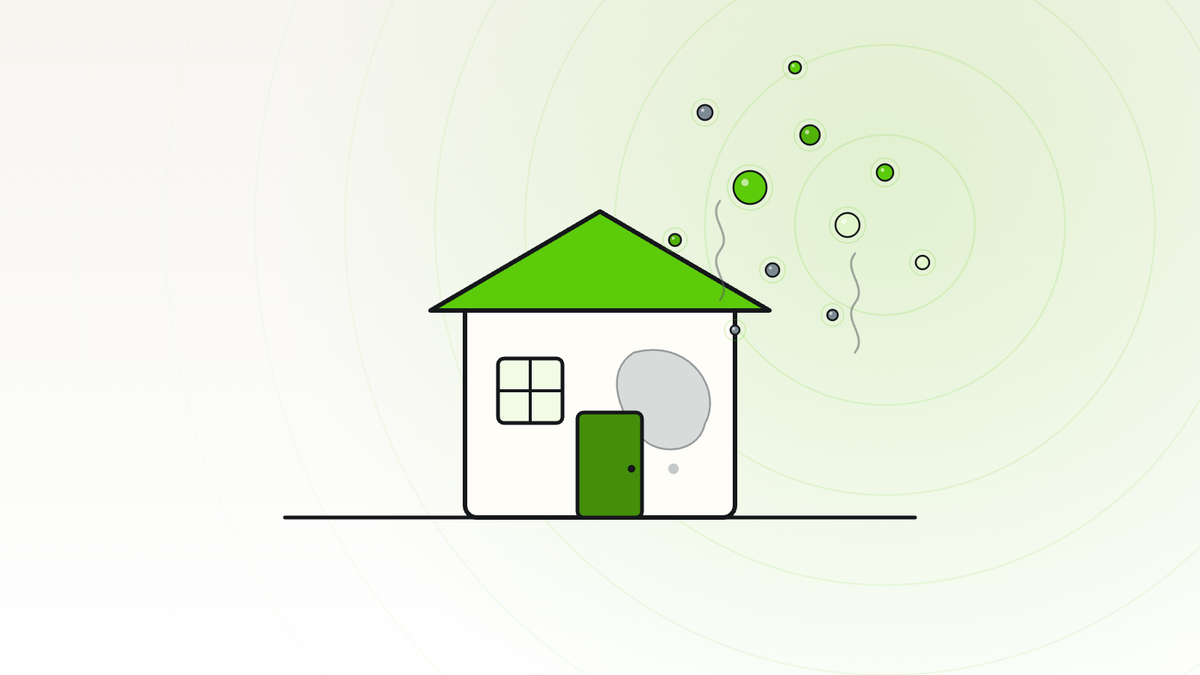
It's a condition where the body can't properly clear biotoxins. These are toxic substances produced by living organisms, most commonly found in water-damaged buildings - think mold, bacteria and the chemicals they produce.
In most people, the immune system identifies these toxins, tags them and clears them out. In people with CIRS, that process is broken. The toxins stay in the body, trigger a constant inflammatory response, and over time that inflammation affects multiple systems: brain, gut, immune, hormonal, nervous system. All of it.
The condition was identified and researched extensively by Dr. Ritchie Shoemaker, who developed much of the diagnostic criteria and treatment protocols still used today.
Here's what makes CIRS particularly frustrating: you can look completely fine on the outside. Standard blood tests often come back normal, and because the symptoms overlap with so many other conditions, it gets misdiagnosed constantly. I spent years trying to fix individual symptoms, or being told there was nothing fundamental wrong with me. My experience is far from unique.
What are the symptoms of CIRS?
This is where it gets overwhelming, because CIRS can affect almost everything.
The symptom list is long, and that's part of why it's so hard to diagnose. No single symptom points to CIRS on its own - it's the cluster that matters: the combination of seemingly unrelated issues across multiple body systems, happening at the same time. Here are the symptoms I've personally experienced:
Energy & cognition
- Extreme fatigue - the kind where you wake up exhausted no matter how much you sleep
- Brain fog so thick that simple tasks feel impossible
- Difficulty concentrating or holding a thought
- Memory loss, forgetting words mid-sentence, struggling to recall things I should know
Nervous system & mental health
- Severe anxiety that came out of nowhere
- Headaches and migraines
- Feeling wired but tired simultaneously
Immune & histamine
- Histamine issues - reacting to foods I'd previously been fine with
- Itchiness and hives appearing randomly
- An immune system that felt constantly on edge
Circulation & cardiovascular
- Cold hands and feet, regardless of the temperature
- Shortness of breath
- Multiple cardiovascular check-ups due to chest pain
Gut & digestive
- Persistent gut pain and burning sensations
- Diagnosed with Colitis after a colonoscopy
- Digestive issues that didn't respond to standard dietary changes
Metabolic & physical
- Blood sugar dysregulation - crashes after meals, shaky if I didn't eat on time
- Body aches, like a low-grade flu or hangover that never fully goes away
- Exercise intolerance - even light activity would wipe me out for days
The thing that struck me most when I first saw a CIRS symptom checklist was how many boxes I ticked. Not just a few, but almost all of them. That moment of recognition - where a list of "unrelated" symptoms suddenly forms a pattern - is something most CIRS patients describe.
What's the difference between CIRS and mold toxicity?
This is one of the most common points of confusion, and I was confused by it too for a long time.
Mold toxicity (sometimes called mold illness or mycotoxin illness) is a broad term for health problems caused by exposure to mold and the mycotoxins it produces. Anyone can experience it if the exposure is significant enough. Remove the exposure, support the body's detox pathways, and most people recover.
CIRS is more specific. It's a genetic predisposition, linked to certain HLA gene types, that means your body simply cannot clear biotoxins effectively. Even after you remove the exposure, the inflammatory cascade continues because the toxins are still circulating.
Think of it this way
Two people live in the same water-damaged building. One gets sick, removes themselves from the environment and recovers. The other gets sick, leaves the environment, and doesn't get better. The second person likely has CIRS.
The key differences:
- Who it affects. Mold toxicity can happen to anyone. CIRS is genetic and affects roughly 25% of the population.
- Recovery. Mold toxicity often resolves once exposure is removed. CIRS requires specific treatment protocols because the body can't self-correct.
- Triggers. CIRS isn't limited to mold - other biotoxins can trigger it too.
Is CIRS only caused by mold?
No - and this is something I didn't realise at first. Mold (specifically exposure to water-damaged buildings) is the most common trigger, but CIRS can be set off by several types of biotoxin exposure:
- Water-damaged buildings. Mold, bacteria, actinomycetes, mycobacteria, and the volatile organic compounds (VOCs) they produce.
- Tick-borne infections. Lyme disease and its co-infections.
- Certain insect bites. Particularly from brown recluse spiders.
- Dinoflagellates. Organisms found in certain waterways (Pfiesteria and ciguatera).
- Cyanobacteria. Found in harmful algal blooms in contaminated waterways.
- Other infections. Some viral and bacterial infections can act as triggers in genetically susceptible people.
In my case, I believe Covid was a significant trigger. Not because Covid directly causes CIRS, but because the infection overwhelmed a system that was already genetically vulnerable. I'd likely been accumulating biotoxin exposure for years without knowing it. Covid was the tipping point.
This is important to understand, because if you're only looking for mold as the cause, you might miss the bigger picture. CIRS is about your body's inability to handle biotoxins in general, regardless of the source.
How do you find out whether you have CIRS?
This is where my own story gets interesting, because I didn't find out through a specialist or an expensive panel of tests.
I found out through a $15 online test.
The Visual Contrast Sensitivity (VCS) test is a simple online visual test that measures your ability to detect subtle differences in contrast. It sounds unrelated, but biotoxin exposure affects the neurological pathways involved in visual processing. A failed VCS test, combined with a matching symptom cluster, gives you a 95–98% probability of having CIRS.
I failed it. Comprehensively. After years of appointments, blood work, specialist referrals, alternative treatments and treating individual symptoms, a 15-minute online test gave me more direction than everything that came before it combined.
That said, the VCS test is a screening tool, not a definitive diagnosis. The full diagnostic process typically involves:
- VCS testing. The first step and most accessible screening tool.
- Symptom cluster analysis. Matching your symptoms against the known CIRS symptom clusters.
- Blood biomarkers. Specific labs including MSH, VIP, MMP-9, TGF Beta-1, C4a and others that indicate the inflammatory patterns associated with CIRS.
- HLA genetic testing. Identifies whether you carry the gene types that make you susceptible.
- MARCoNS nasal swab. Tests for antibiotic-resistant staph bacteria commonly found in CIRS patients.
There's a catch, though. Many of these blood tests aren't widely available outside of the US. Living in South East Asia, this is something I'm navigating firsthand. I found a clinic in Kuala Lumpur, Malaysia that offered some of the biomarkers, but after consulting with my practitioner, he flagged that how these samples are handled matters enormously. Markers like TGF Beta-1 are extremely sensitive to processing, storage and transport conditions - labs that aren't following the same protocols as the US reference labs can produce unreliable results. It's a real barrier for anyone trying to get a proper CIRS diagnosis outside of the US.
Where I'm at, honestly
At the time of writing, I haven't yet had the full blood panel done to confirm my diagnosis. What I have is a failed VCS test, a symptom cluster that matches almost perfectly, and an experienced health practitioner who's confident in the assessment.
The blood work is the next step on my list, and I'll share the results on this blog when I have them.
If you suspect CIRS, my honest advice would be to start with the VCS test. It's cheap, it's quick, and if you fail it, that's a strong signal to pursue further investigation with a practitioner who actually understands CIRS - because most GPs, functional medicine practitioners and conventional doctors don't.
FAQ
Can CIRS be cured?
Is CIRS the same as chronic fatigue syndrome (CFS) or MCAS?
How common is CIRS?
Can children have CIRS?
What type of doctor treats CIRS?
What is the VCS test?
Not medical advice
I'm not a doctor or practitioner. Everything here is my own experience and research as someone living with CIRS. Please work with a qualified practitioner before making any health decisions.